Balancing User Needs and Business Goals
How to design products that genuinely serve users without undermining the business goals that keep the lights on. A practical look at balancing both.
Insights
Field notes from Wugweb's design, engineering, and strategy work: what we're learning, testing, and shipping.

AI is accelerating customer experience faster than most teams can adapt. Are you architecting the future, or just watching it unfold?
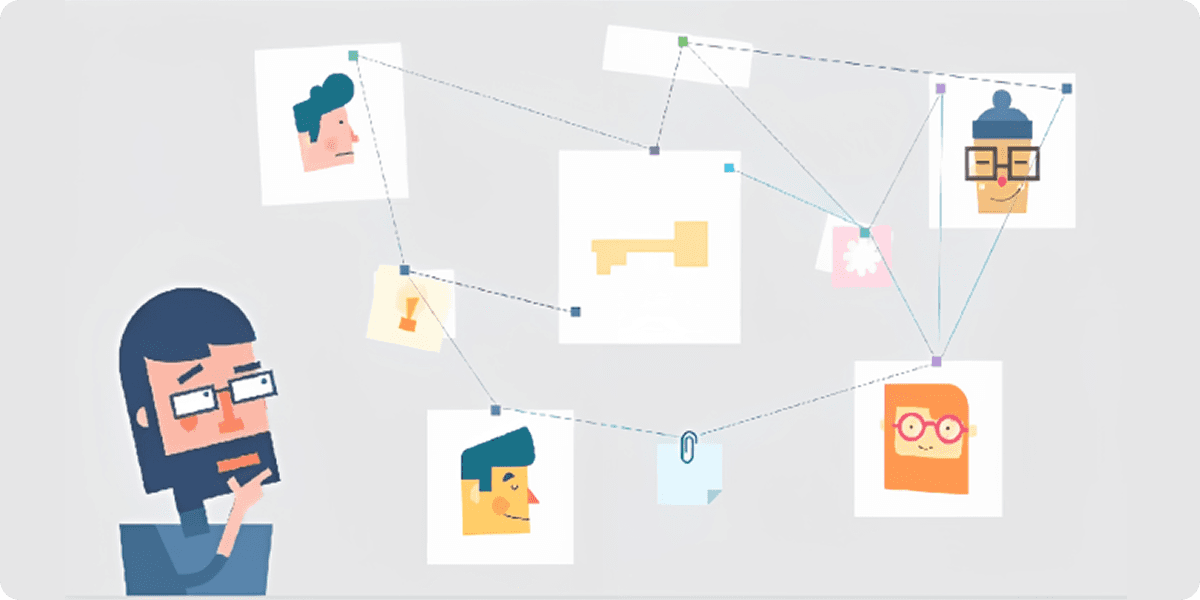
How to design products that genuinely serve users without undermining the business goals that keep the lights on. A practical look at balancing both.
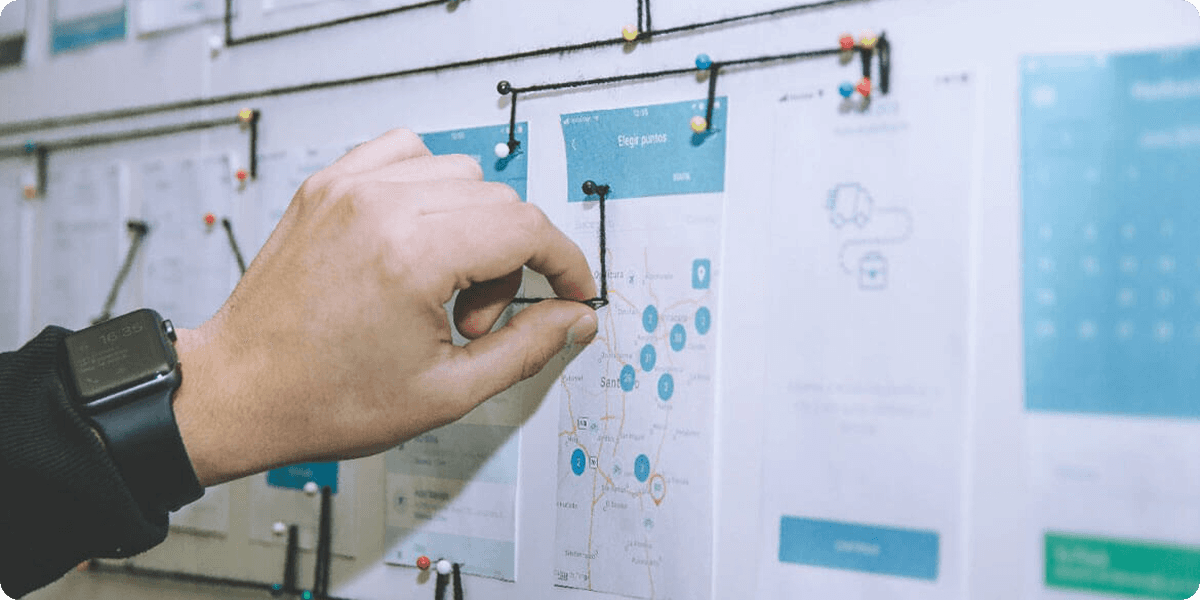
HTML sitemaps still matter for usability, crawlability, and discoverability. Here's when to use them and how they support SEO and UX together.
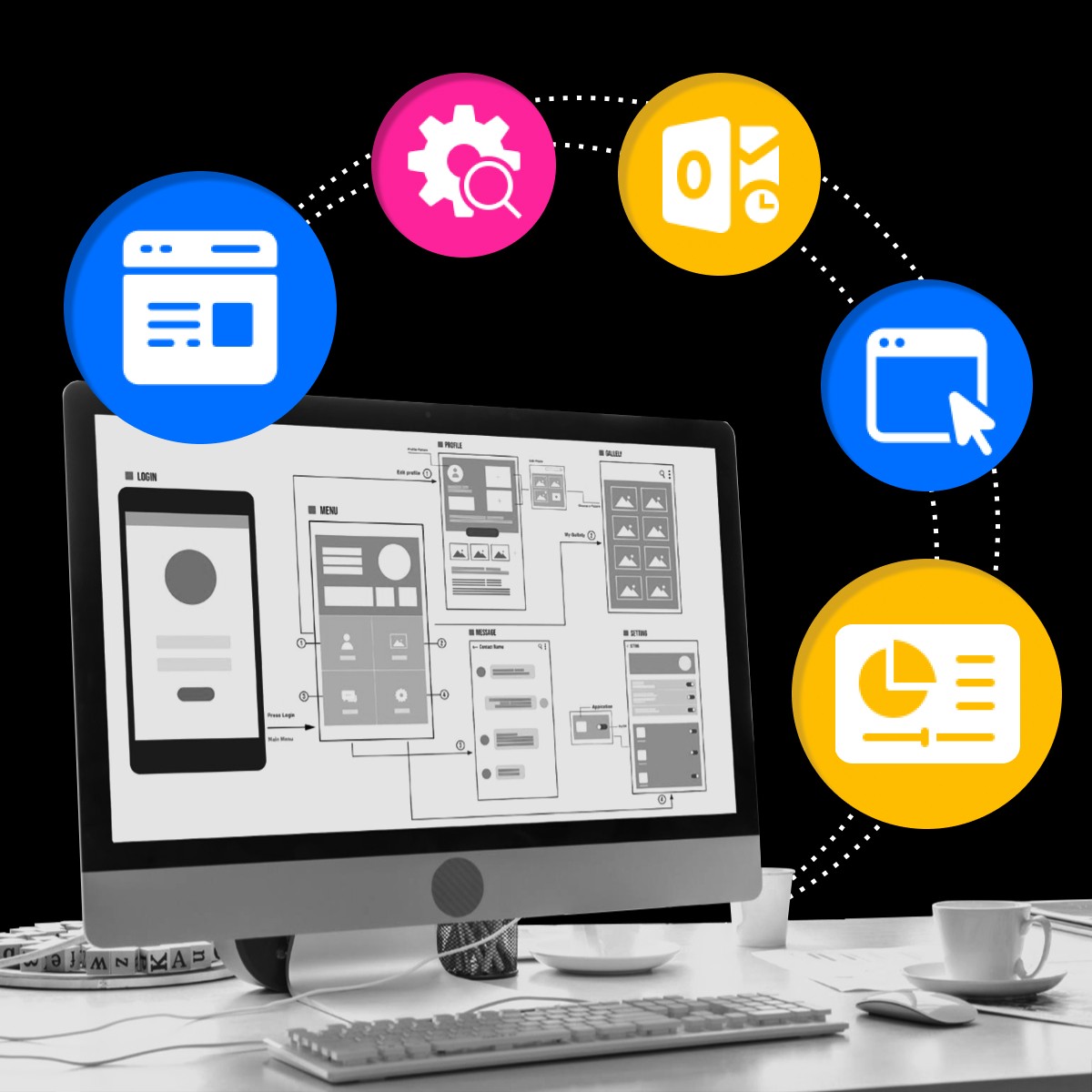
The 10 design systems worth knowing in 2026, and how each one can boost your team's UI/UX workflow and consistency at scale.

Google's Material Design guidelines offer a comprehensive framework for building cohesive digital experiences.
Why user research should drive your product strategy, from understanding user needs and validating assumptions to finding market opportunities.
Five questions that help build a strong brand: what sets you apart, who your audience is, how to connect emotionally, and how to measure success.
Upcoming branding trends and tools to keep your brand relevant, from authenticity and personalization to visual storytelling and AI tools.
How color symbolism in UX design can communicate messages, convey brand values and guide users, while staying accessible across cultures.
The fundamentals of designing chatbot personalities and conversational flows that create engaging, meaningful conversations with users.
The UI design trends to look out for in 2023, from neumorphism and 3D illustrations to dark mode, plus the nostalgic styles making a comeback.
How data and Google Analytics can inform UX design, from setting goals and KPIs to analysing user behaviour, funnels and A/B test results.
OpenAI’s latest report leaves little room for doubt: AI search is becoming the dominant use case for ChatGPT. With adoption accelerating, mass-market penetration is now a matter of months, not years.
Create products that remain maintainable as they grow.
Product designers are becoming systems thinkers.
Focus on end-to-end intelligent experiences.
Centralize research for better decisions.
High-performing teams build better products.
AI can accelerate system maintenance.
Skills that matter over the next decade.
Blend analytics with user empathy.
Great products continuously learn from users.
Validate before scaling.
Designers benefit from roadmap visibility.
Understanding psychology creates better experiences.
Clear writing improves usability.
Use AI to accelerate early design concepts.
Understand where your UX organization stands.
Design systems help startups move faster.
Measure impact, not just visuals.
Accessibility begins from day one.
Great onboarding improves activation and retention.
Design solves problems, product thinking creates outcomes.
AI changes workflows, not creativity.
Effective product discovery reduces risk.
UX debt slows teams just like technical debt.
Simplicity creates faster, better user experiences.
Trust is a competitive advantage in digital experiences.
Timeless product design principles for creating lovable products.
How UX strategy has matured over the years.
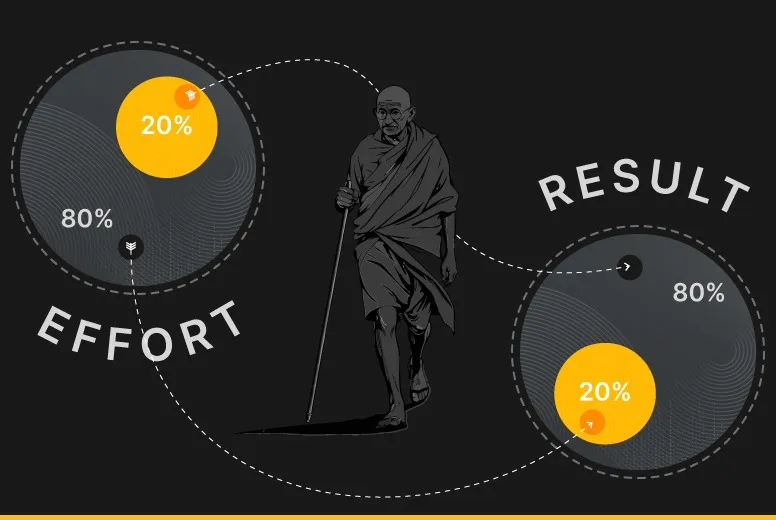
David Epstein draws on Gandhi's strategic thinking to show how the 80/20 rule and choice mapping can lead to more innovative solutions.
Accessibility should be built into every digital product.
Connecting experience design with measurable business outcomes.
Explore how AI accelerates UX research workflows.
Best practices for designing ethical AI systems.
Preparing for AI-assisted design careers.
How to build portfolios that demonstrate problem solving.
Frameworks for enterprise UX maturity.
Why emotions influence product success.
Affordable UX research techniques for small teams.
Proven approaches for SaaS product experiences.
Build seamless experiences using journey maps.
Learn which UX metrics influence business outcomes.
Improve delivery through stronger cross-functional collaboration.
Principles for trustworthy AI experiences.
How designers become strategic product partners.
Explore how AI accelerates product discovery and design execution.
Learn the technology stack that supports digital products.
A beginner-friendly guide to APIs for product designers.
Longevity takes a different form online, but its value is immeasurable. There is a balance to find. Quick, constant change is given to the web. It is often one of its greatest strengths. Disposability is a tricky term to handle in the digital world. So many things are changing so quickly — programmi
Why design systems are more than reusable components.
Why successful teams prioritize outcomes over features.
Learn how UX and CX work together to create memorable customer experiences.
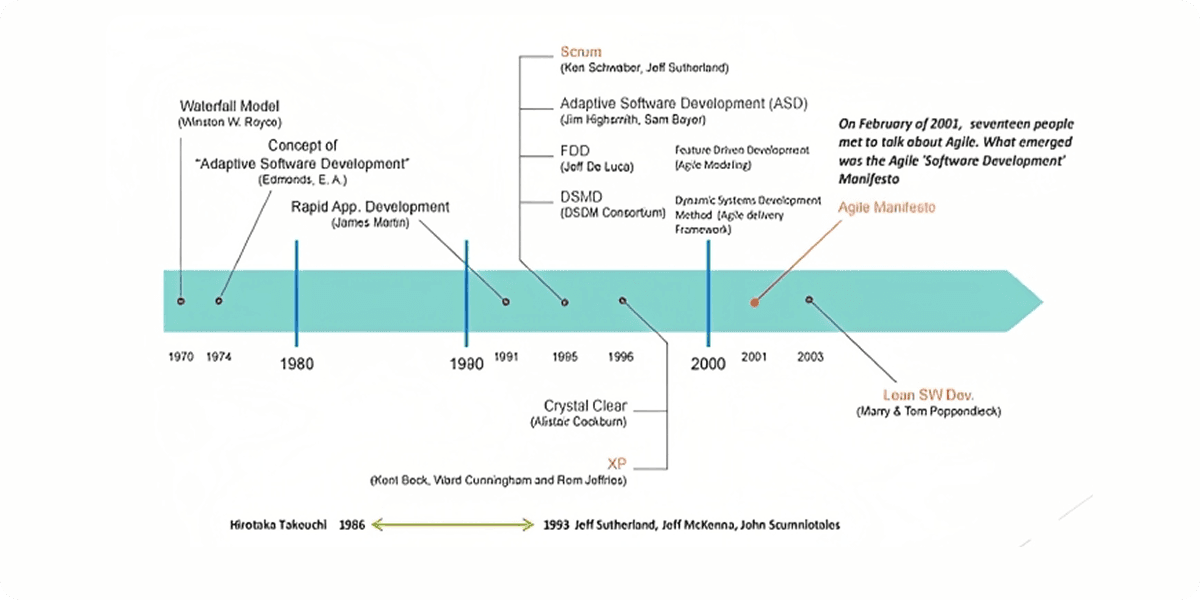
Agile promises speed and collaboration, but UX teams often feel the friction first. Balancing creativity with sprint cycles in modern teams.
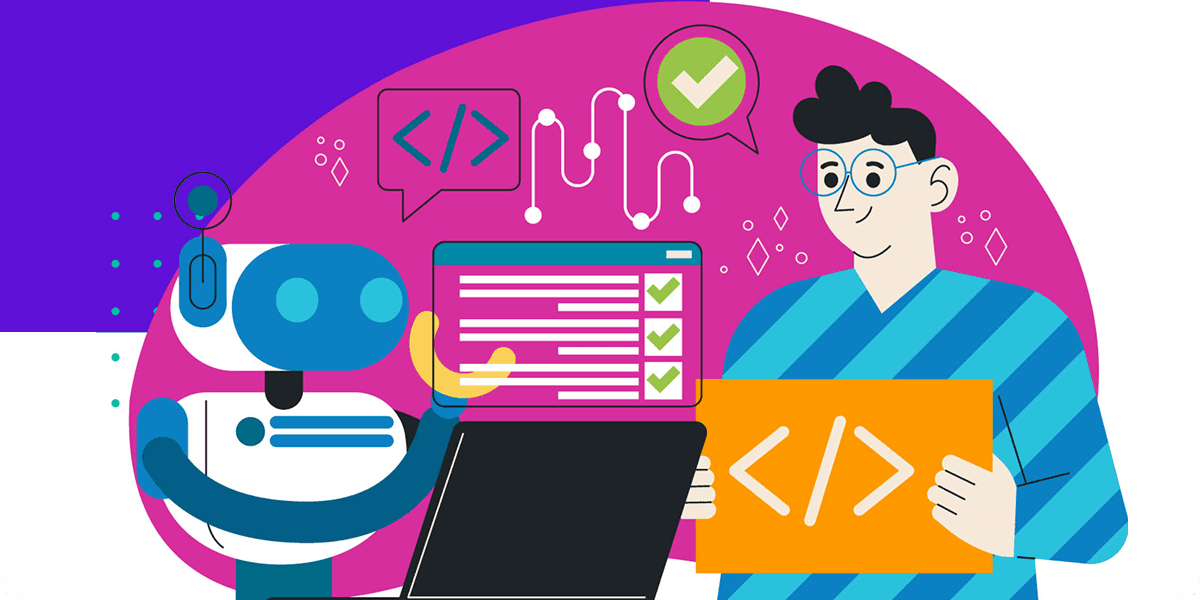
AI is reshaping UX design fast. Here's an honest look at the real opportunities, the risks worth watching, and what's actually changing for designers.
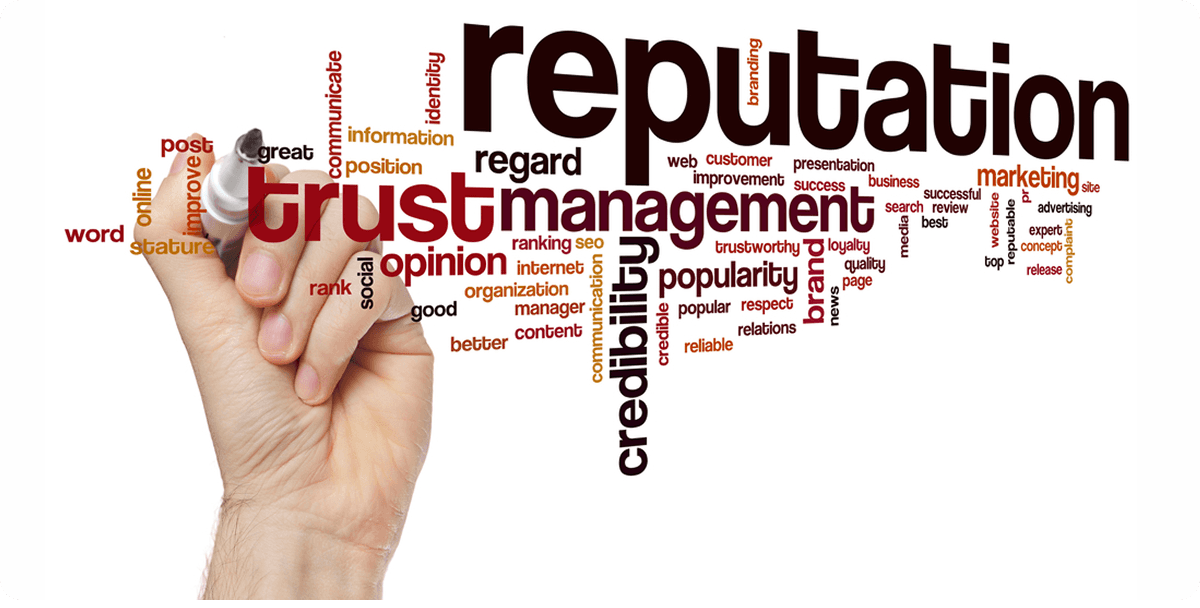
A closer look at how design work actually gets distributed across teams, and why concentration of effort is more common than most admit.
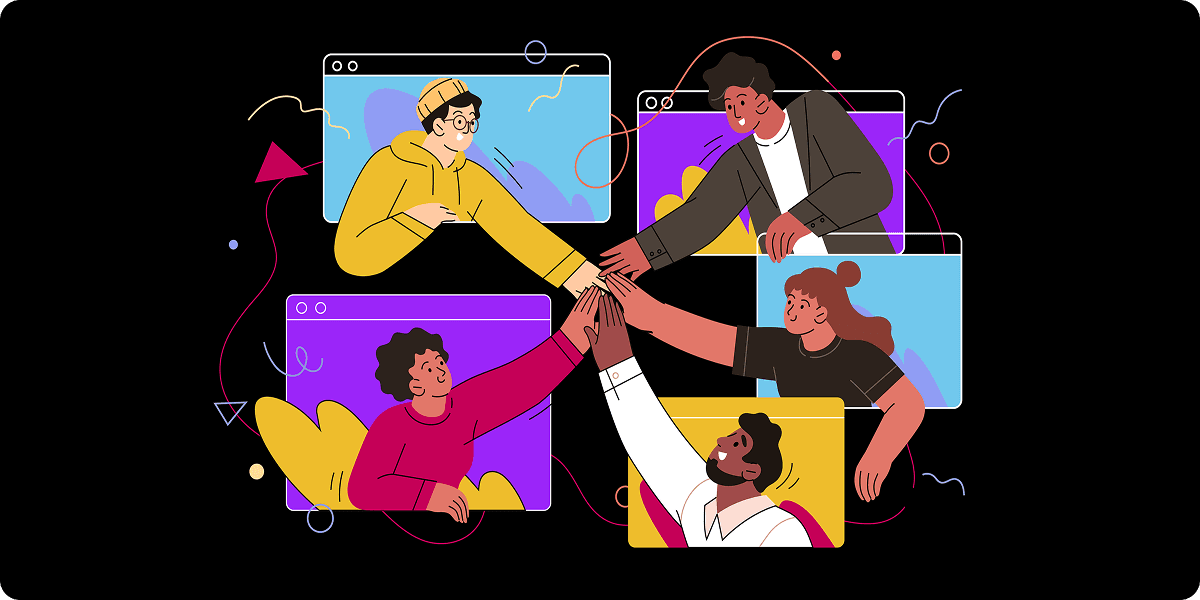
Remote design work isn't going away. What really works, what quietly breaks, and what no one tells you before you make the switch.
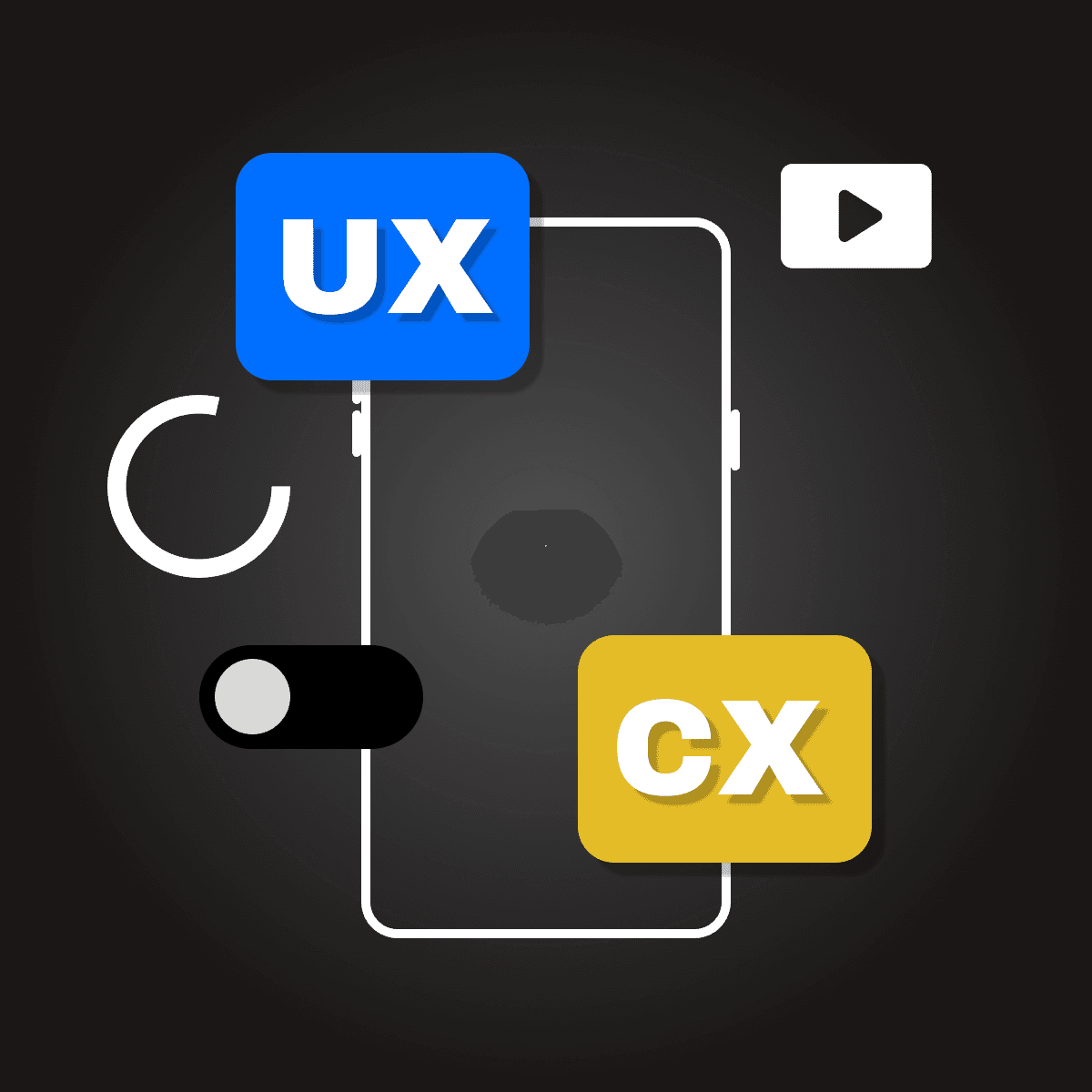
When UX and CX are designed in isolation, journeys break. Here's how aligning product and customer experience drives measurably better outcomes.
The zero-UI and why it is crucial to the future of design. For better or worse, much design work is still visual these days. This makes sense since the essential products we interact with have screens.
HTML sitemaps help search engines and people navigate a website. What they are, how they differ from XML sitemaps, and when to use one for SEO and UX.
Figma announced a range of updates at Config 2023. We walk through 15 of them, with key takeaways, pros and cons, and tips for your design workflow.
UX focuses on usable interfaces, while CX covers the whole brand journey. We look at where the two meet and how businesses bring them together.
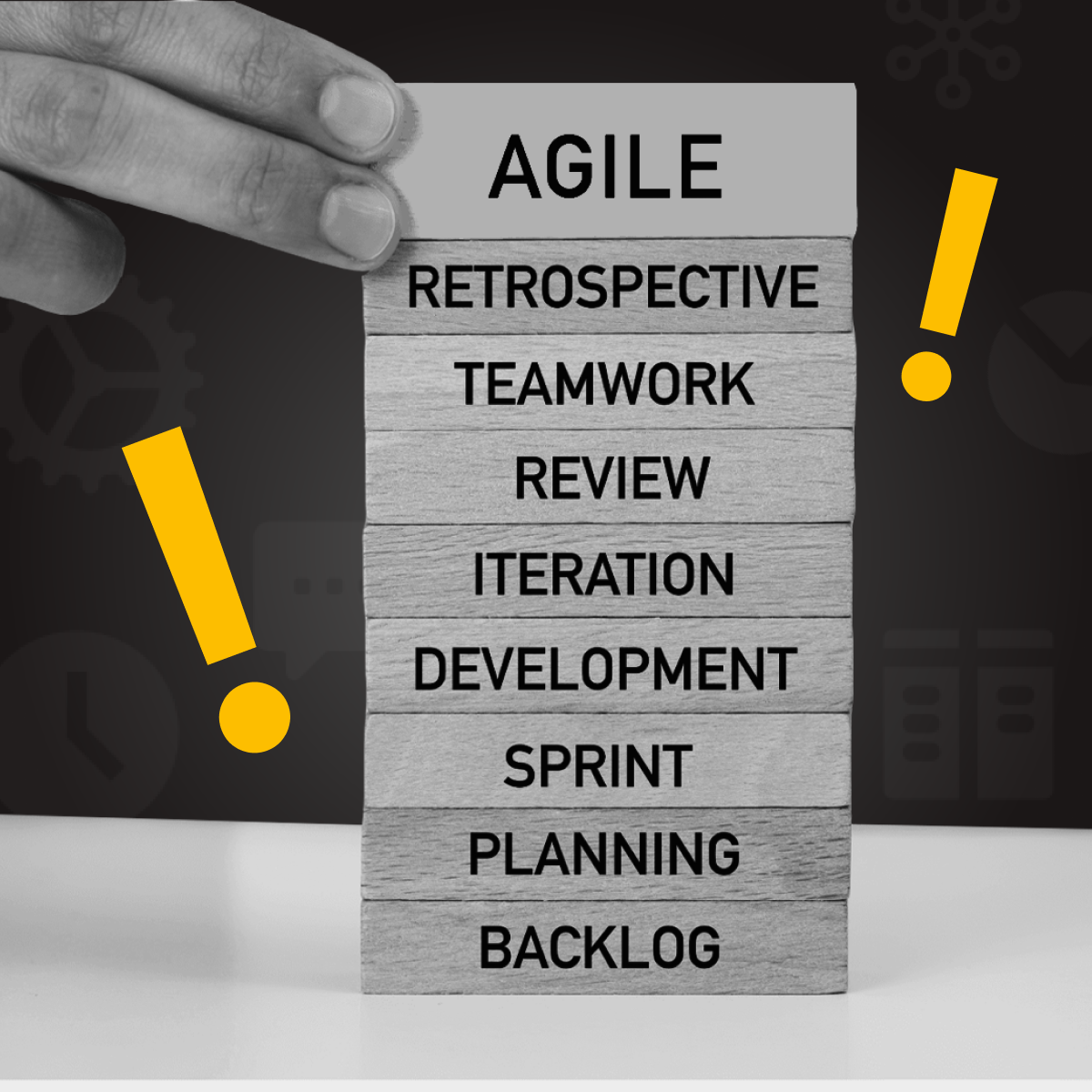
Agile working helps UX teams adapt and deliver in a fast-paced digital world. We cover its origins, how it works in UX, and how the industry uses it.

Remote working has become the norm for many designers. We reflect on its challenges and perks, from collaboration and distractions to flexibility.

Why do a small number of designers seem to get most of the work? We look at reputation, competition, specialization, networking and consistent quality.
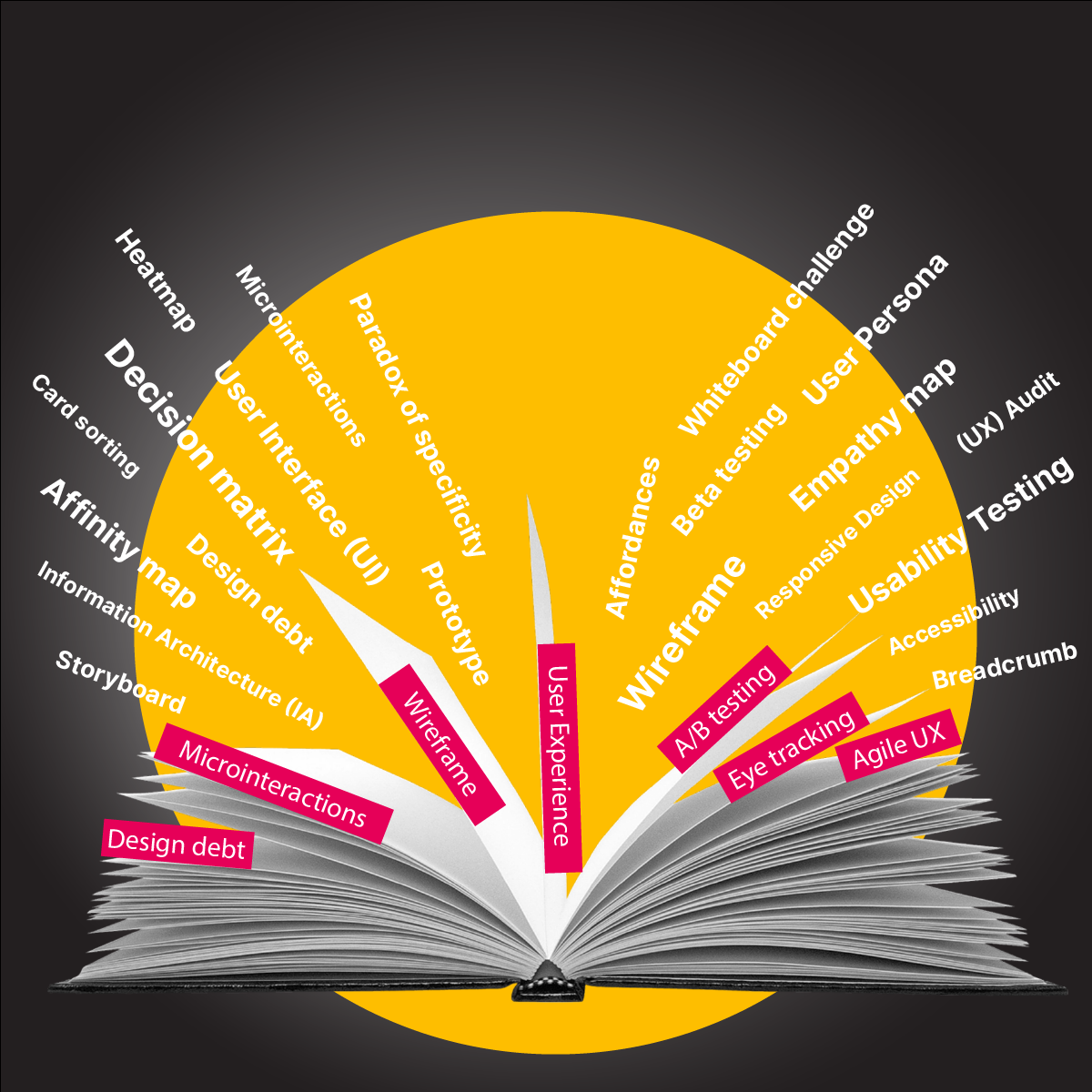
UX has its own language of terms and jargon that can confuse newcomers and seasoned professionals alike. A simplified guide to the key terms you will meet.

Balancing user needs with business goals takes finesse. How research, clear objectives, collaboration and prioritization help products succeed on both.
AI can analyze user data, learn from behavior and make predictions. Here is how that is changing UX design, from personalization to automated workflows.
Adobe XD has come a long way since 2016. We look at its origins, its value to designers, the rise of Figma and what the future may hold for the tool.

How Framer is reshaping the way design happens today, and the ten features driving its rapid adoption among modern design teams.
Six of the top ten most sought-after skills online are all related to code, and if they want to succeed in today's design industry, designers need a deep familiarity with the technology and coding skills necessary to build and manage successful digital products.
Implementing ideas that pique interest and inspire exploration of new design methodologies and techniques requires using Design Tools that Simplify the Design Process, which are crucial to the success of any design process.
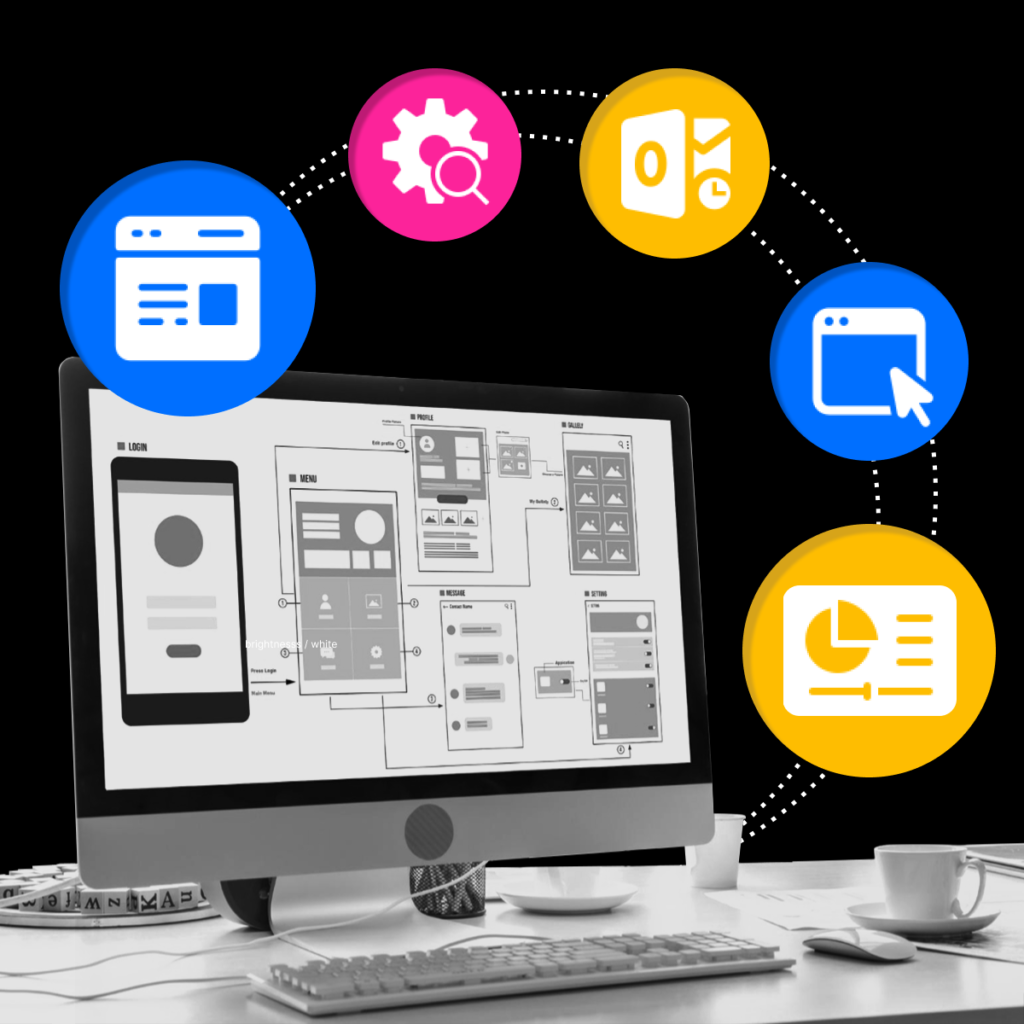
Boost Your Design Workflow with These Top 10 Design Systems for Improved User Experience Design systems are all the rage and most articles talk about what they are and best practices for creating them. Aside from implementing design systems into your workflow, design systems are a tremendous untappe
A product Manager with no UX Design creates functional products that don't make users excited, while UX Design with no Product Manager produces delightful products that don't become businesses.
A practical how-to for the fundamental skills every modern UI/UX designer should hone, from spacing systems to usability testing.

Figma hacks and workflow shortcuts you might not have heard of yet, saving real time on everyday design and prototyping work.
Ten quick Figma hacks for faster, cleaner illustration work, from vector editing shortcuts to anchor point tricks most designers miss.

The dirty little secrets product designers rarely admit to, told with a bit of humor and more honesty than most portfolios show.
Demand for video product reviews, tutorials, how-to's, unboxing, and comparison videos was vital in 2018, making video commerce a potent tool for online purchasing (64% of sales were made online in 2018).
The design handoff is the process of communicating the implementation details of a design cycle to the development team, which includes the exchange of links to digital assets, user actions, specifications for the display, tasks and moving pictures, and prototypes.
Zero-UI technology is an advanced form of AI that eliminates the need for a graphical user interface by facilitating interactions with the world around us.

Best practices, tips, and terminology for using typography well in UI design, from type scales to line-height and hierarchy.
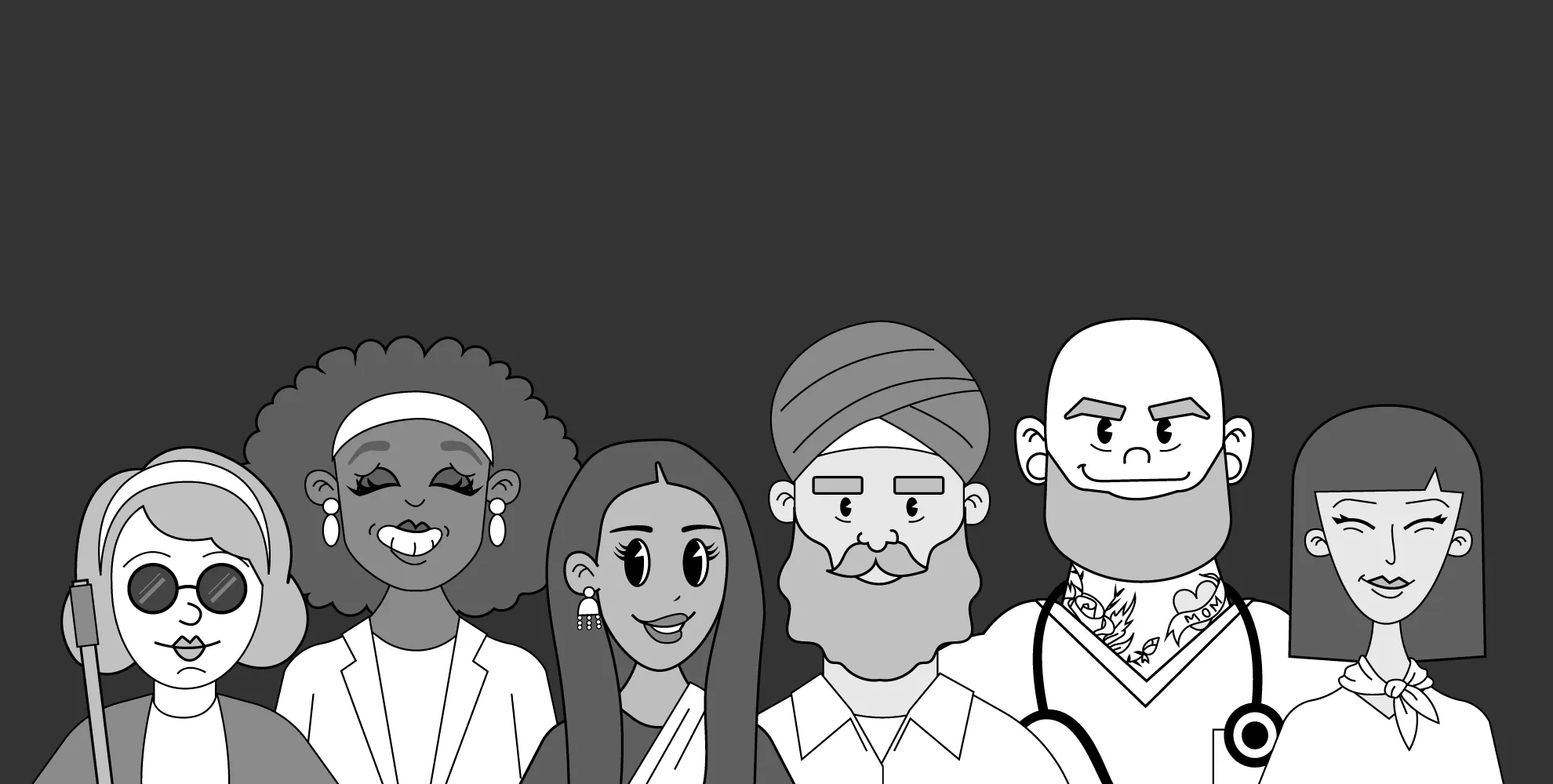
Ten practical ways to make digital products more accessible, usable, and welcoming for every kind of user, not just the average one.

Dark patterns taken a step further. Ten unethical design tactics companies use when profit comes before people, and how to spot them.

Everything it took to build an initial user base for $0. Six real growth strategies that got a side project its first 1,000 users.
Visual design is a crucial part of UX because it can produce a pleasant application experience and improve features or functionality that need to be more user-appropriate and well-made.
Dribbble designs can be a great way to make practical design, but they can be problematic regarding UX concerns, as they must be practical and address actual issues.
Differentiating between objective input and subjective judgement is essential when evaluating design to pinpoint improvement areas and inform impactful design decisions.

Augmented reality is quietly changing UX design. A look at where AR is heading and what it means for immersive product experiences.
Ten reliable rules of thumb for UI design, covering spacing, contrast, typography, and hierarchy every designer should keep in mind.
From local businesses to international corporations, our clients all share one common understanding when it comes to building authentic brands: the power of research, strategy, creativity, and design.
More about usPartner with Wugweb for domain-driven design and development that delivers.